Understanding Lipedema: Causes, Stages & Treatment Options
What Is Lipedema?
Lipedema is a chronic medical condition involving the abnormal buildup of fat cells, most commonly in the legs, thighs, hips, buttocks, and sometimes the arms. It almost always affects women and often begins or worsens during times of hormonal change such as puberty, pregnancy, or menopause.
Unlike ordinary weight gain, lipedema fat:
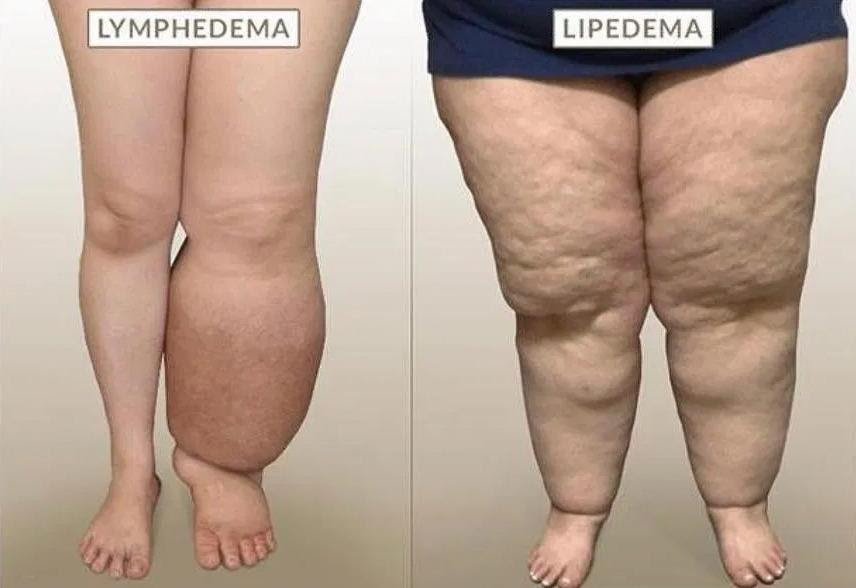
- Is usually symmetrical (affects both sides equally)
- Often spares the feet and hands
- Can be painful or tender
- Bruises easily
- Is difficult to reduce through diet and exercise alone
Lipedema is frequently misunderstood as obesity or simple fluid retention, which can delay diagnosis and treatment.
Common Symptoms of Lipedema
People with lipedema may experience:
- Heavy, aching legs
- Tenderness when touched
- Swelling that worsens during the day
- Easy bruising
- A noticeable difference between upper and lower body shape
- Skin nodules or lumpy tissue under the skin
- Reduced mobility in advanced cases
What Causes Lipedema?
The exact cause is not fully understood, but factors may include:
- Hormonal influences (common onset at puberty, pregnancy, menopause)
- Genetics (often runs in families)
- Changes in connective tissue and lymphatic function
Lipedema is not caused by overeating or laziness.
The Stages of Lipedema
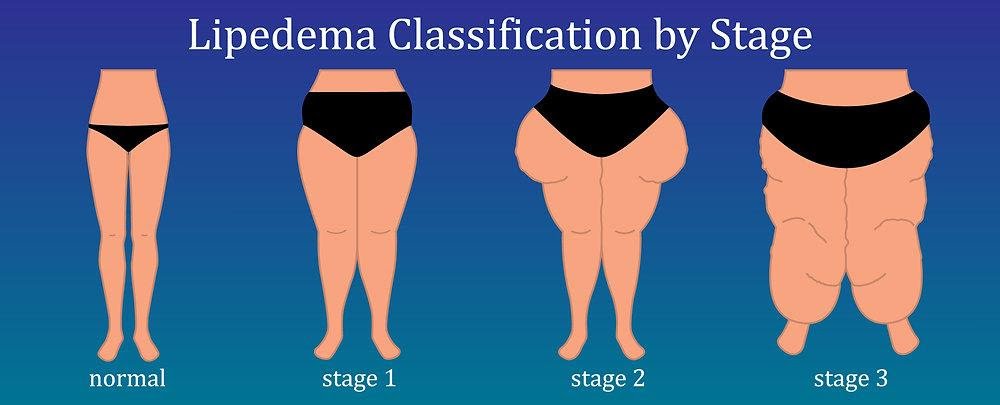
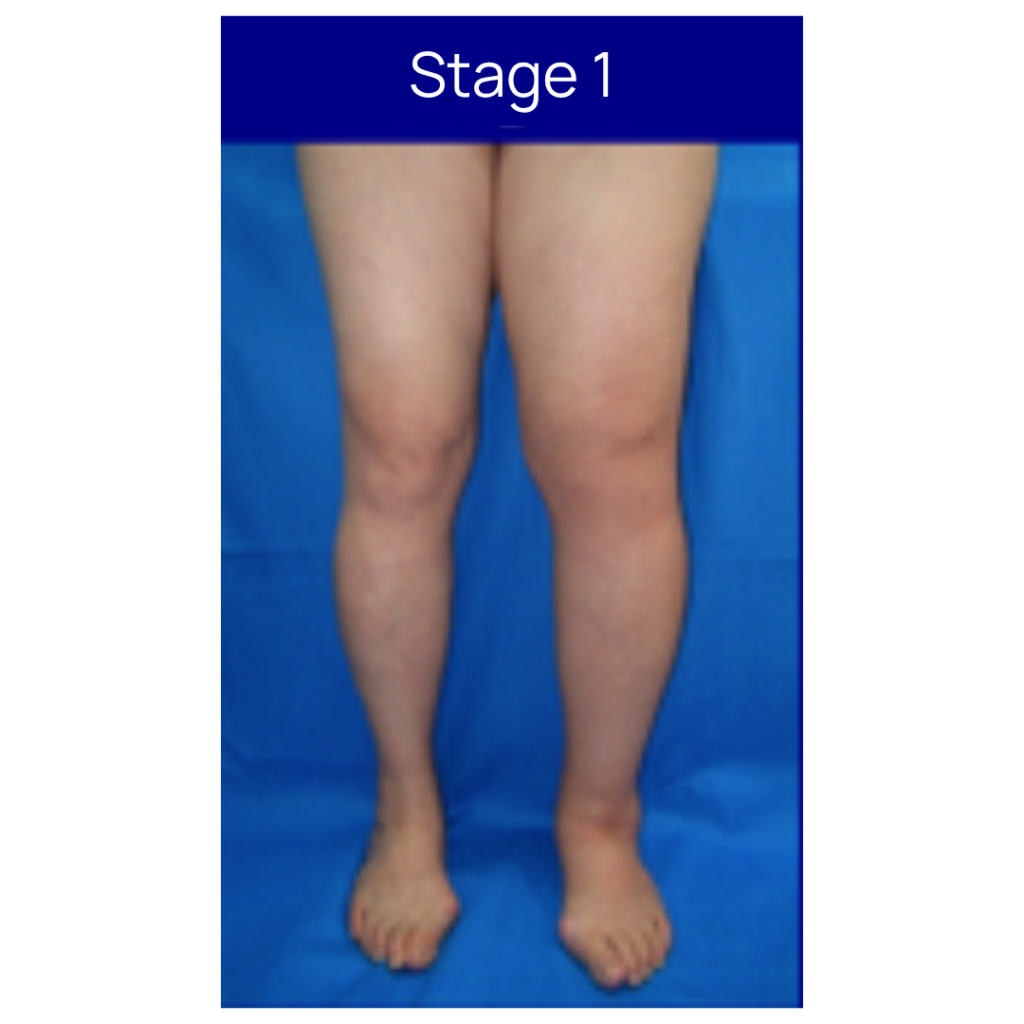
Stage 1: Early Lipedema
Appearance:
- Skin surface looks smooth
- Enlarged fatty tissue beneath the skin
- Mild swelling or heaviness
Symptoms:
- Tenderness
- Easy bruising
- Mild discomfort
Best time for treatment: Early intervention often gives the best results.
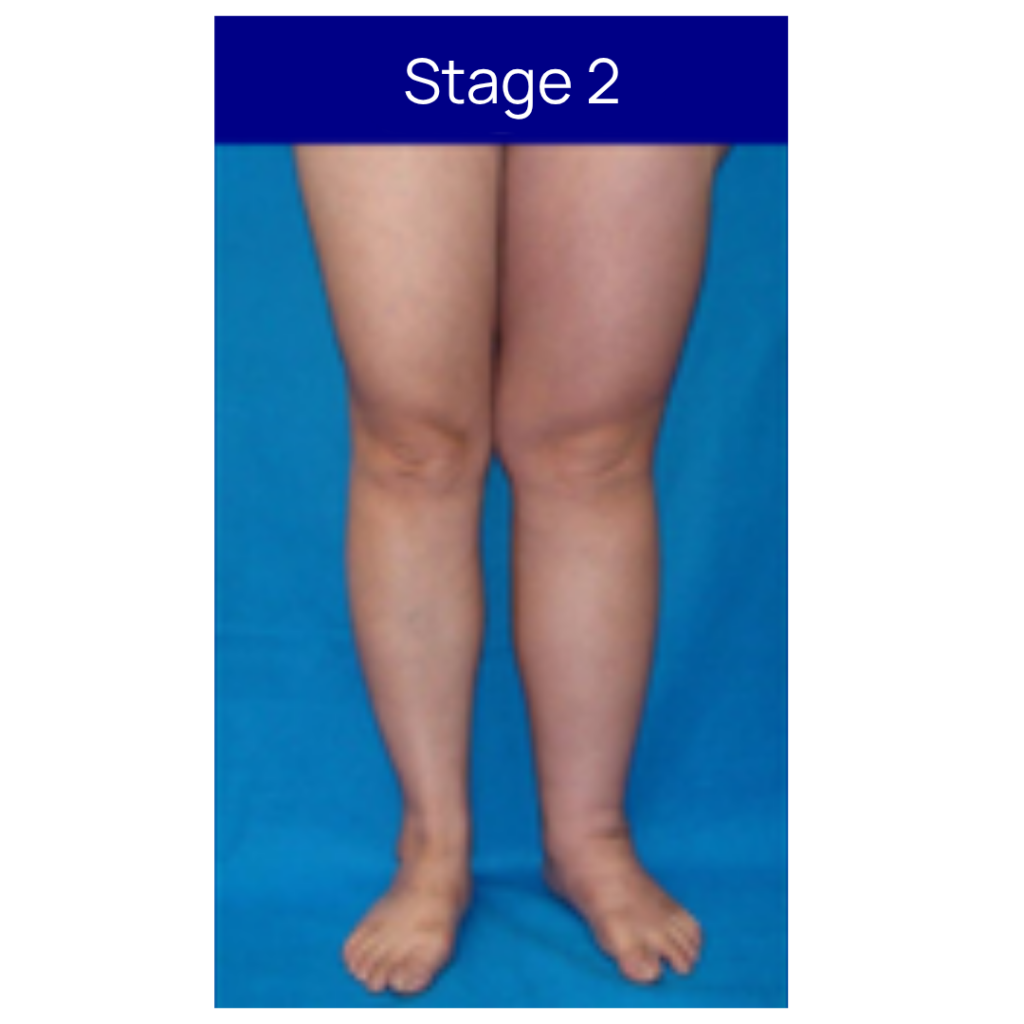
Stage 2: Progressive Lipedema
Appearance:
- Uneven or dimpled skin texture
- Larger fatty deposits
- Nodules felt beneath the skin
Symptoms:
- More pain and heaviness
- Increased swelling
- Reduced confidence or discomfort in clothing
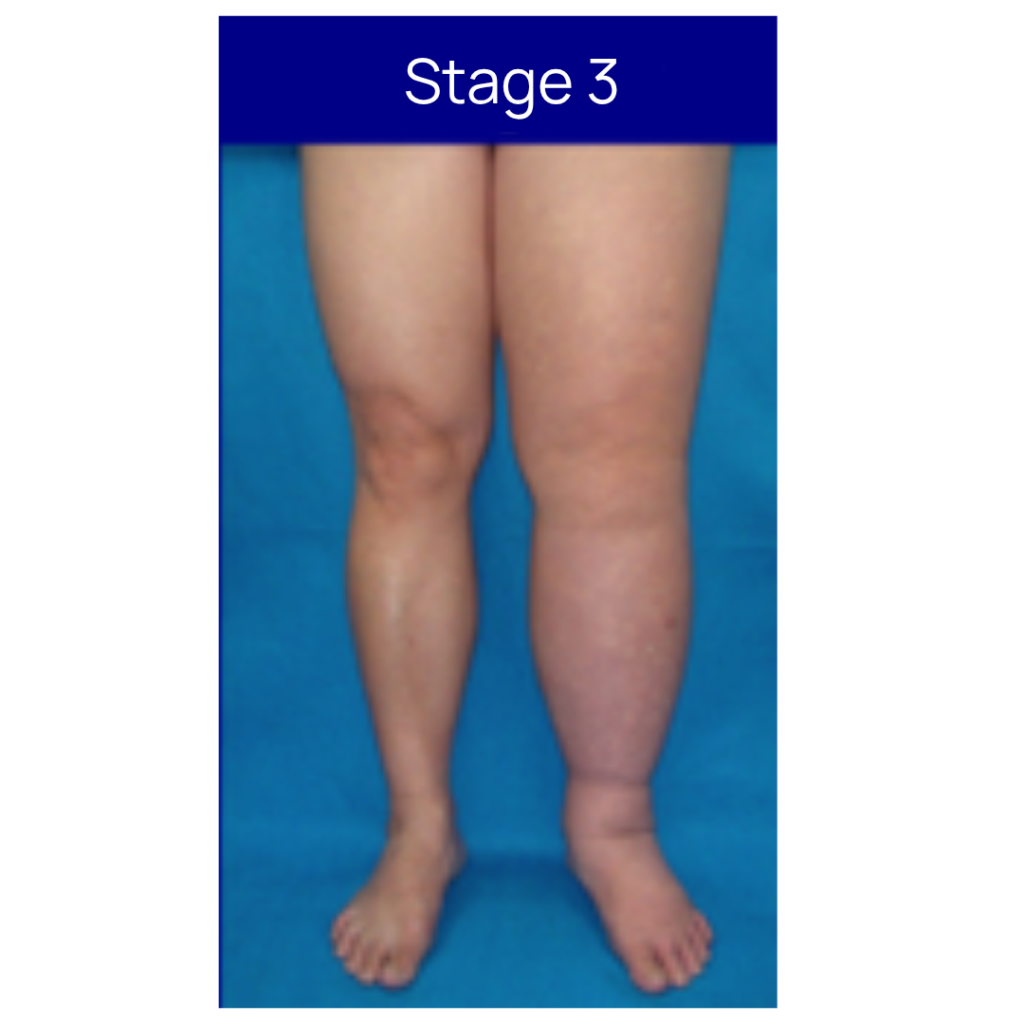
Stage 3: Advanced Lipedema
Appearance:
- Large overhanging folds of tissue
- Significant enlargement of legs and/or arms
- Mobility issues may develop
Symptoms:
- Pain when walking
- Joint strain
- Difficulty exercising
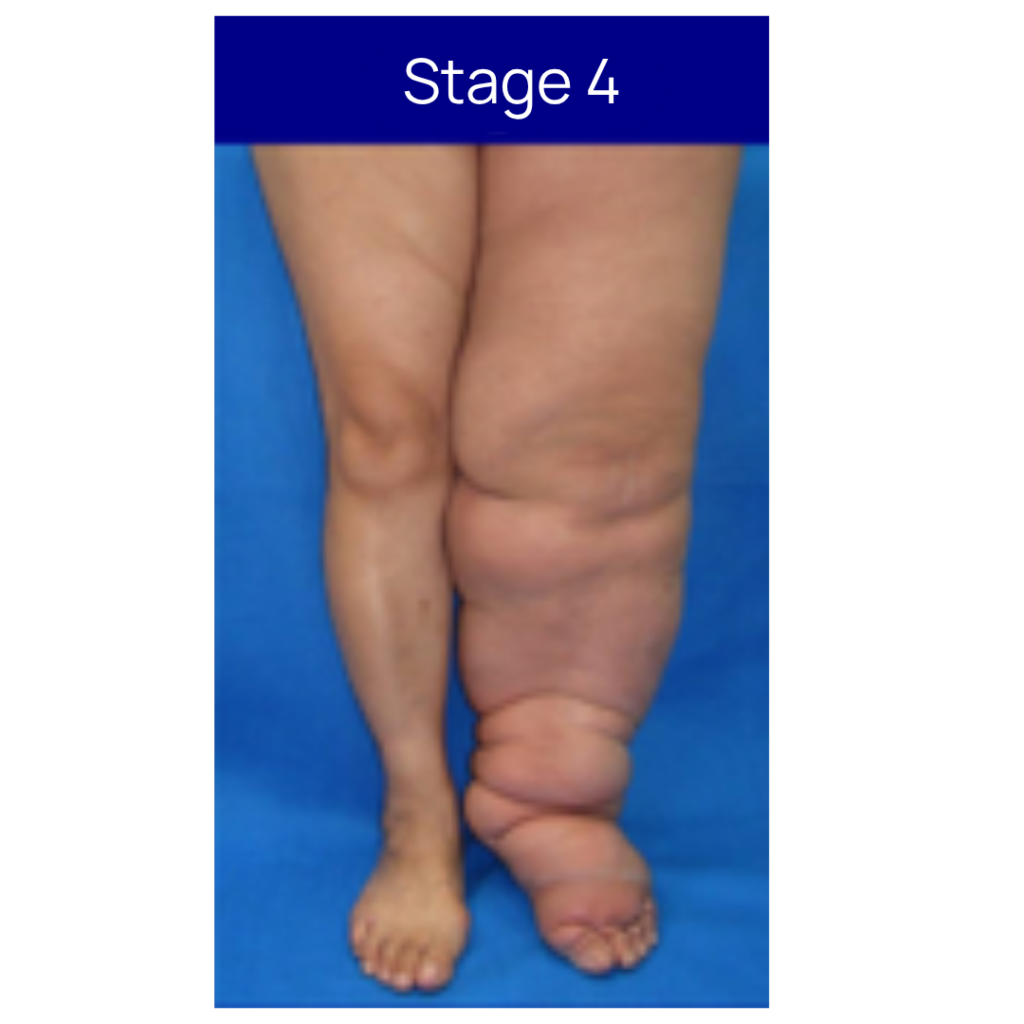
Stage 4: Lipo-Lymphedema
Appearance:
- Lipedema combined with lymphatic failure
- Significant swelling including feet/ankles in some cases
Symptoms:
- Heaviness
- Chronic swelling
- Increased infection risk
- Major mobility limitation
This stage often requires specialist treatment.
How Is Lipedema Diagnosed?
Diagnosis is usually clinical and based on:
- Medical history
- Symmetrical fat distribution
- Pain/tenderness
- Resistance to weight loss
- Physical examination
Ultrasound or imaging may sometimes help exclude other causes.
Non-Surgical Treatment Options
Many patients benefit from conservative management such as:
- Compression garments
- Manual lymphatic drainage
- Exercise (walking, swimming, rebounding)
- Anti-inflammatory nutrition plans
- Weight management support
- Skin care
These measures can improve symptoms but usually do not remove lipedema fat.
Liposuction for Lipedema
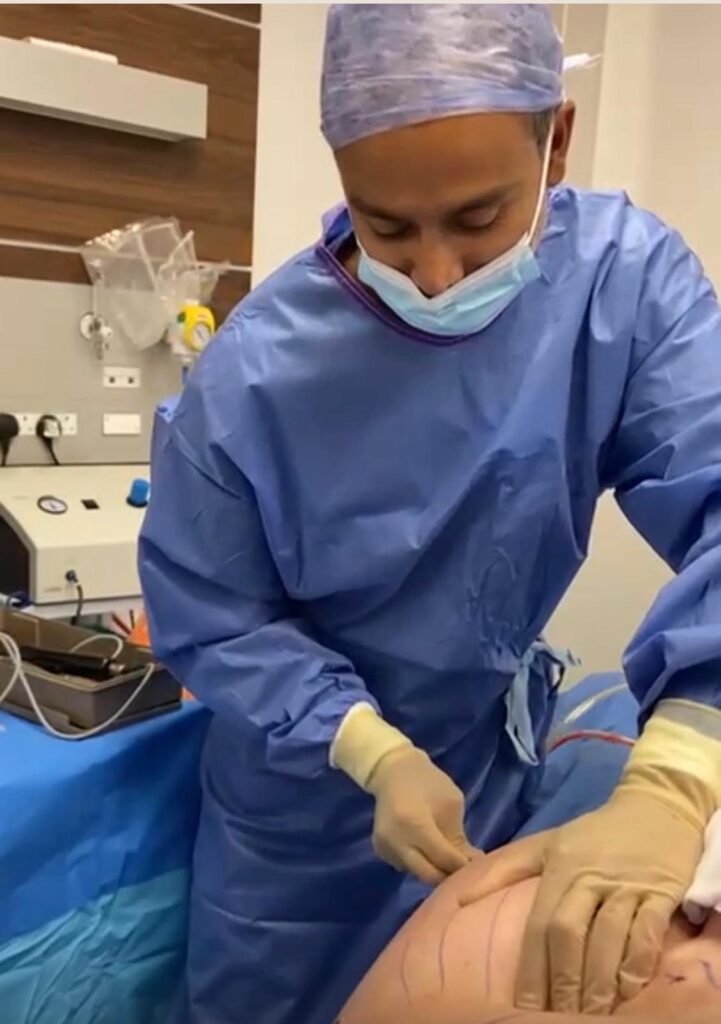
For suitable patients, specialist liposuction is the most effective treatment for reducing painful lipedema fat and improving mobility.
Benefits include:
- Reduced pain and heaviness
- Improved body shape and symmetry
- Better mobility
- Easier exercise and weight control
- Improved confidence and quality of life
What Type of Liposuction Is Used?
Modern approaches may include:
- Tumescent liposuction
- Power-assisted liposuction (PAL)
- Water-assisted liposuction (WAL)
These techniques aim to preserve lymphatic structures while removing diseased fat tissue.
Is Lipedema Curable?
Lipedema is considered a chronic condition, but symptoms can be significantly improved with proper management and specialist treatment.
When Should You Seek Help?
Consider an assessment if you have:
- Disproportionately large painful legs or arms
- Easy bruising
- Fat that does not respond to dieting or exercise
- Heaviness or swelling
- Family history of similar symptoms
Early diagnosis can help prevent progression.
Book a Lipedema Consultation
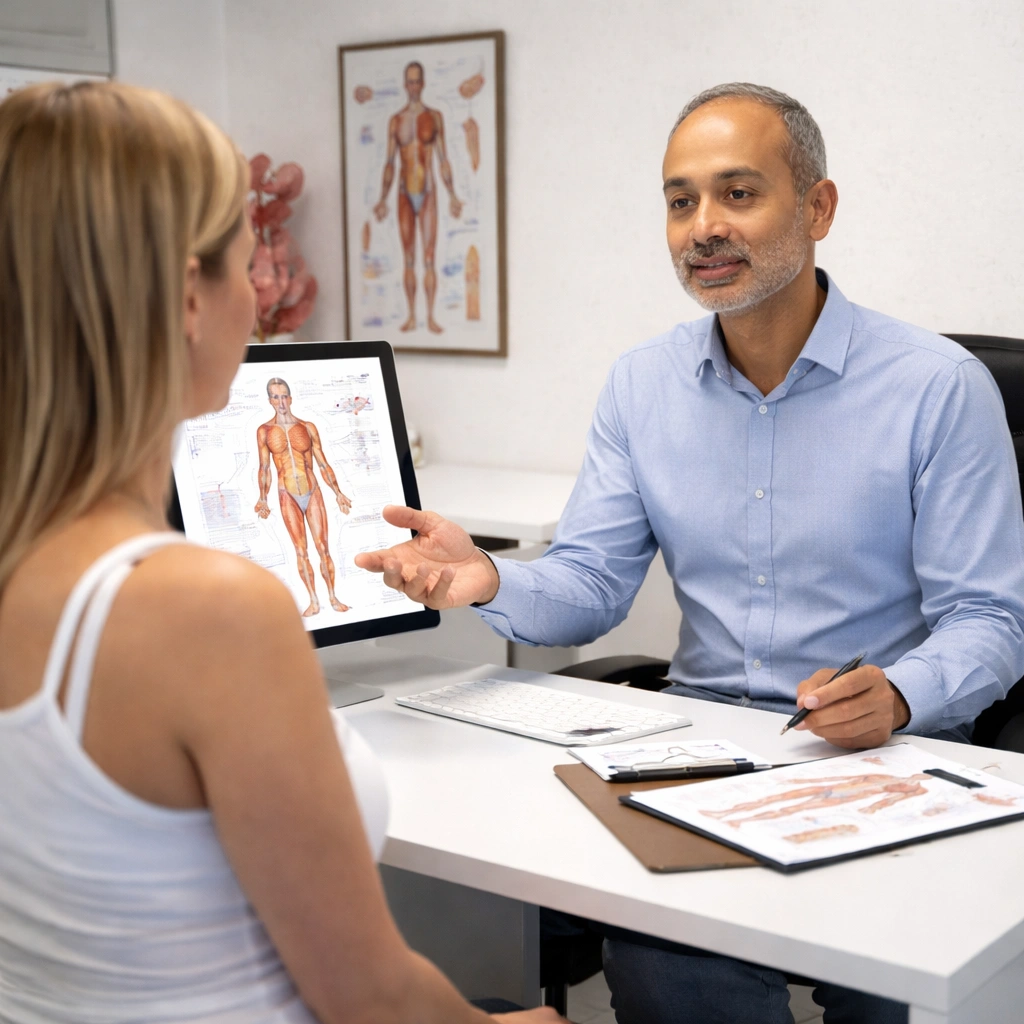
If you believe you may have lipedema, a specialist consultation can help determine:
- Whether you have lipedema
- What stage it may be
- Whether conservative treatment or liposuction is appropriate
- A personalised treatment plan